
Root Canal Treatment in Walnut Grove, BC
Saving Your Natural Tooth with Modern Root Canal Care
A root canal can sound intimidating, but modern root canal treatment is very different from what many patients imagine. At JVR Dental, we provide root canal treatment in Walnut Grove, BC, using modern endodontic techniques and digital technology to carefully treat the affected tooth while preserving as much healthy tooth structure as possible.
If you are looking for root canal treatment near you, we focus first on understanding what is causing the problem. Careful diagnosis and treatment planning help us determine whether a root canal is actually needed and how we can help preserve your natural tooth whenever possible.
What Is Root Canal Treatment?
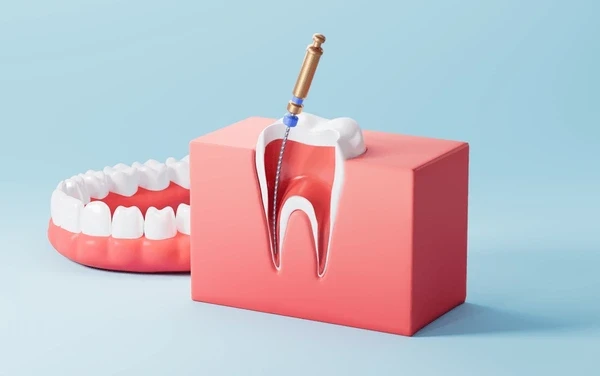
Root canal treatment, also known as endodontic treatment, is used when the soft tissue inside a tooth, called the pulp, becomes inflamed or infected. This may happen because of a deep cavity, a crack or fracture, trauma, or previous dental treatment.
The goal of treatment is simple: remove the source of infection or inflammation, relieve discomfort, and preserve your natural tooth whenever possible.
How Do I Know If I Need a Root Canal?
Symptoms can vary from person to person. Some people experience significant discomfort, while others may have very few symptoms.
Signs that a tooth may need root canal treatment can include:
Lingering sensitivity to hot or cold
Pain when biting or chewing
A persistent toothache
Swelling or tenderness around a tooth
A pimple or bump on the gum
A tooth that has become darker following trauma
An infection discovered on an X-ray or 3D scan
Because tooth pain can have many different causes, the first and most important step is getting the diagnosis right.
At JVR Dental, we combine your symptoms with a thorough clinical examination, diagnostic testing, and appropriate imaging to determine whether root canal treatment is actually needed.
What Happens During Root Canal Treatment?
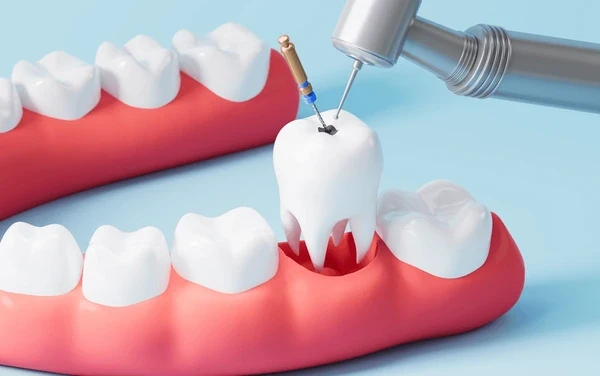
Inside every tooth is a small space containing nerves, blood vessels, and other tissue called the pulp. During root canal treatment, we carefully access the inside of the tooth, clean and shape the root canal system, disinfect it, and then seal the canals to help prevent bacteria from re-entering.
The tooth is then restored to protect it and allow you to comfortably use it again. In many cases, a crown is recommended after root canal treatment, particularly for back teeth that need additional strength and protection.
Our goal isn’t simply to “do a root canal.” We want to understand the tooth, plan the treatment carefully, preserve as much healthy tooth structure as possible, and provide a strong final restoration.
Technology Makes a Difference
If you are looking for a dentist near you for root canal treatment in Walnut Grove, BC, our team combines modern endodontic techniques with digital technology to make treatment as precise, efficient, and comfortable as possible.
3D CBCT Imaging
Traditional dental X-rays give us a two-dimensional view. When appropriate, our CBCT technology allows us to see the tooth and surrounding structures in three dimensions.
This can help us identify complex or hidden anatomy, evaluate areas of infection, and plan treatment before we begin.
Fotona Laser-Assisted Irrigation
Cleaning the inside of a tooth is an important part of root canal treatment. We use our Fotona dental laser as part of our irrigation protocol in appropriate cases to activate the cleaning solution within the root canal system.
This helps the irrigant move throughout the complex spaces inside the tooth, including areas that instruments alone may not easily reach.
CEREC Same-Day Crowns
One of the biggest advantages of our digital workflow is what happens after the root canal. When a crown is required, our CEREC technology allows us to digitally scan, design, and create your custom ceramic crown right here in our office.
In many suitable cases, this means we can complete your root canal and final crown during the same appointment, without a traditional impression, temporary crown, or second appointment to have the permanent crown placed.
For our patients, that can mean fewer appointments, less time away from work or family, and a smoother treatment experience from diagnosis to final restoration.
Caring for Your Tooth After Root Canal Treatment
How your tooth feels after treatment can vary depending on the condition of the tooth and the treatment required. Some tenderness or sensitivity around the treated area may occur as the tissues settle.
After treatment:
Wait for numbness to wear off
Avoid chewing until the effects of local anaesthesia have worn off to reduce the risk of accidentally biting your cheek, lip, or tongue.
Follow your care instructions
Take any recommended or prescribed medication.
Protect the treated tooth
Avoid putting unnecessary pressure on the tooth until the final restoration is complete, if it was not restored during the same appointment.
Maintain your oral hygiene
Continue brushing and flossing, and follow any specific instructions we provide for the treated area.
Attend follow-up appointments
Recommended visits allow us to monitor the treated tooth and address any concerns that develop.
Contact our office if you experience symptoms that concern you after treatment, particularly if discomfort or swelling becomes worse rather than improving.
Why Patients Choose JVR Dental for Root Canal Treatment
Technology is an important part of what we do, but it doesn’t replace thoughtful clinical care. Every tooth is different, and our approach starts with understanding the diagnosis and planning for the long-term health of the tooth.
Patients choose us for root canal treatment in Walnut Grove, BC, because we offer:
Careful diagnosis
We evaluate your symptoms, clinical findings, and appropriate imaging before recommending treatment.
Conservative treatment planning
Our goal is to preserve as much healthy tooth structure as possible while treating the source of the problem.
Planning beyond the root canal
We consider how the tooth will be restored and protected after treatment, not just what happens inside the tooth.
Modern digital technology
CBCT imaging, Fotona laser-assisted irrigation, and CEREC technology can support different stages of treatment when appropriate.
Specialist referral when needed
If we believe an endodontic specialist would be best suited to treat your tooth, we’ll discuss that with you and help coordinate your care.
Our goal is to give you a clear understanding of what is happening, what your options are, and how we can help you preserve your natural tooth whenever possible.
Modern technology, thoughtful planning, and comfortable care all work together to help save your natural tooth.
Book an Appointment at JVR Dental
If you’re experiencing persistent tooth pain, sensitivity, swelling, or another concern, don’t wait for the problem to become more uncomfortable. At JVR Dental, we provide root canal treatment near you when appropriate, beginning with a careful assessment to identify the cause of your symptoms. Contact us to book an appointment with an experienced dentist in Walnut Grove, BC.
Frequently Asked Questions
Does root canal treatment hurt?
Local anaesthesia is used to numb the area during treatment and help keep you comfortable. How you feel afterward can vary, and you may have some tenderness for a short time as the area settles.
Will I need a crown after a root canal?
Not every tooth requires the same type of restoration, but crowns are commonly recommended for back teeth after root canal treatment because these teeth often need additional strength and protection. We will assess the tooth and explain which restoration is appropriate for you.
Can my root canal and crown be completed on the same day?
In many suitable cases, yes. Our CEREC technology allows us to digitally design and create a ceramic crown in our office. Depending on the tooth and your individual treatment needs, we may be able to complete the root canal and final crown during the same appointment.
Can root canal treatment save an infected tooth?
Root canal treatment removes inflamed or infected tissue from inside the tooth, allowing the tooth to be cleaned, sealed, and restored. Whether a tooth can be successfully preserved depends on factors such as the amount of remaining healthy tooth structure, the condition of the root, and the extent of the problem.
What happens if I delay root canal treatment?
An inflamed or infected pulp does not normally heal on its own once root canal treatment is required. Delaying care may allow symptoms or infection to worsen and can sometimes reduce the options available for preserving the tooth. If you have persistent pain, swelling, or other symptoms, an assessment can help determine the cause and appropriate next step.