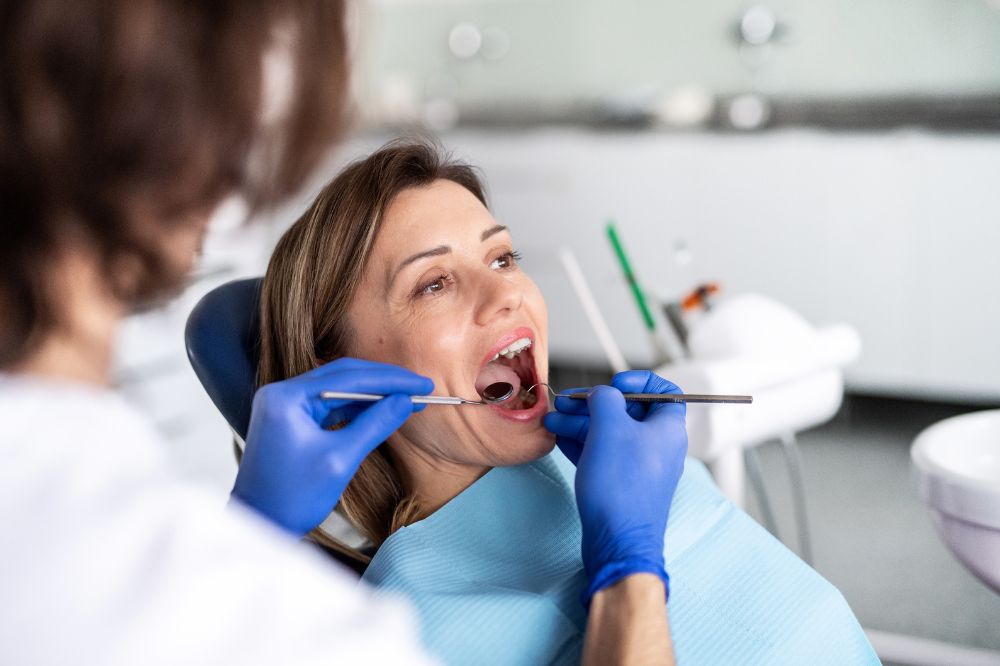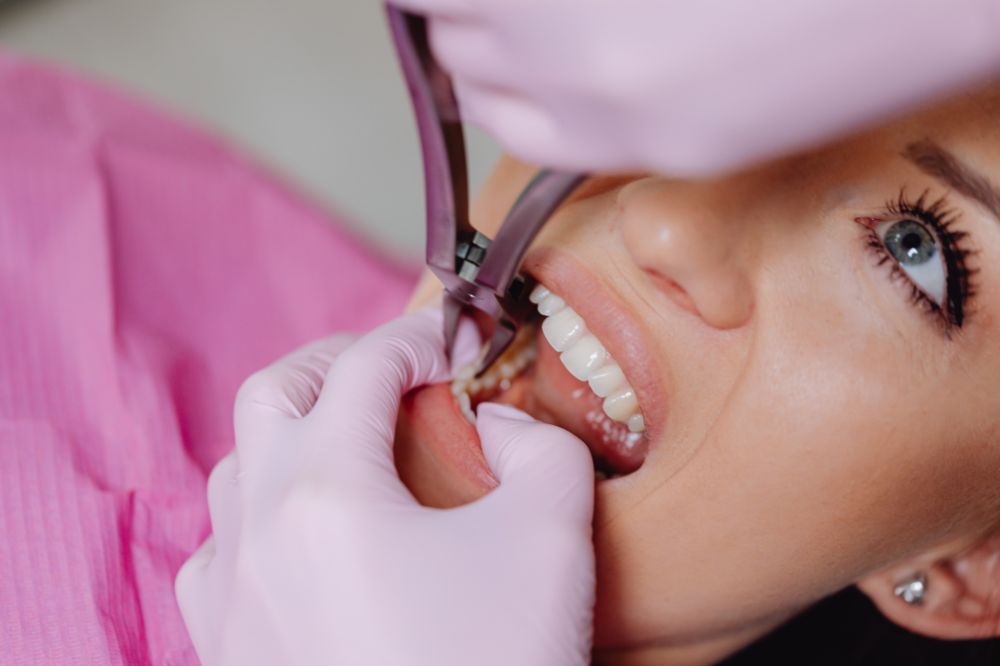
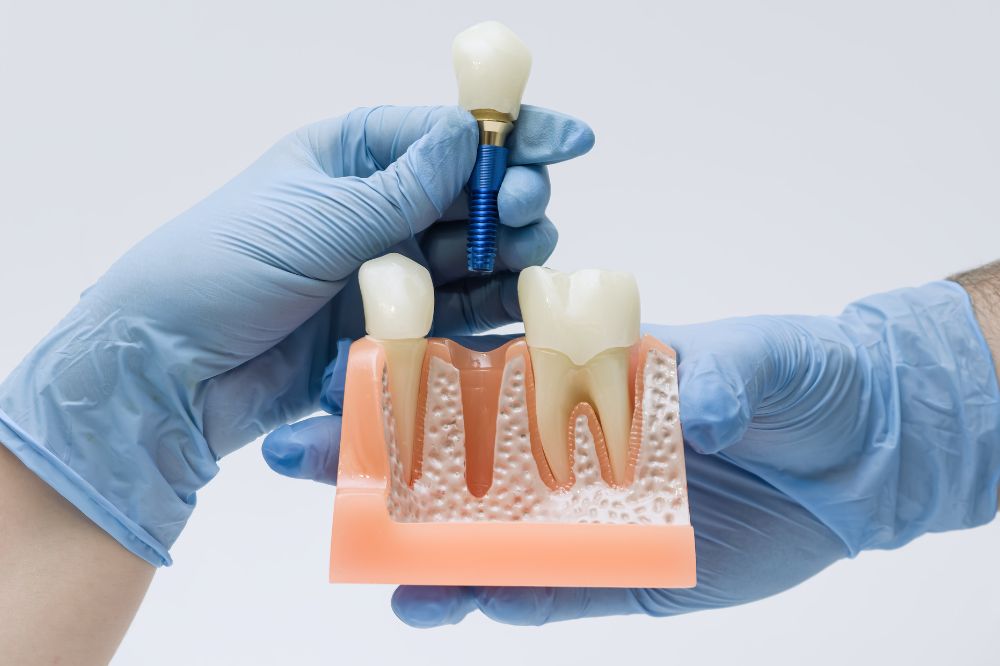
Losing a tooth affects more than the visible part of the smile. The jawbone that once supported the tooth can also change over time. A dentist near you can check the teeth, gums, and jawbone after tooth loss and explain which replacement options may be suitable. Understanding these changes is important because the condition of the jawbone can affect how a missing tooth is replaced. Dental implants in Walnut Grove are one option that can replace a missing tooth while also providing support to the jawbone.
Knowing how tooth loss affects bone health can help make future dental decisions clearer.
What Happens to Your Jawbone When a Tooth Is Missing?
A tooth root helps provide stimulation to the bone around it. When the tooth is lost, that stimulation is reduced or removed. Over time, the bone in that area may gradually become thinner or lose some of its height.
The amount of change can vary from person to person. It may depend on factors such as:
- How long the tooth has been missing
- The location of the missing tooth
- Gum health
- The condition of the jawbone
- Overall oral health
This does not mean that every person will experience the same amount of bone loss.
Why Does Jawbone Health Matter After Tooth Loss?
Changes in the jawbone can affect the shape and support of the area where the tooth was lost. Nearby teeth may also shift into the open space, which can change how the teeth meet when biting.
A dental clinic in Walnut Grove can assess the area and determine whether the bone and surrounding tissues are suitable for a particular tooth replacement option.
Maintaining the health of the jaw and gums is important because these tissues provide support for dental restorations and remaining teeth.
Can Dental Implants Help Prevent Changes in Your Jaw?
They may help reduce bone changes because an implant is placed into the jawbone and acts as an artificial tooth root. The pressure created through normal biting can provide stimulation to the surrounding bone.
This is different from a removable denture, which rests mainly on the gums. A dental bridge can replace the visible tooth but does not replace the missing root in the same way an implant does.
Dental implants near you may be considered when the goal is to replace a missing tooth with an implant-supported restoration. Suitability depends on bone condition, gum health, overall oral health, and other treatment factors.
What Can Happen If a Tooth Is Missing for a Long Time?
A missing tooth that is not replaced may be associated with several changes. These do not happen at the same rate for everyone.
Possible changes include:
- Gradual loss of bone in the area
- Movement of nearby teeth
- Changes in the way the teeth meet
- Reduced support for certain types of restorations
- Changes in the shape of the gum and jaw area
The longer a tooth has been missing, the more important it may be to assess the current condition of the bone before choosing an implant or another replacement.
Is Enough Bone Needed for Dental Implants?
Dental implants need adequate bone support for placement. When bone has become too thin or has lost height, additional treatment may sometimes be considered before an implant is placed.
A dentist near you may use dental X-rays or other imaging to examine the jawbone and plan treatment. Depending on the findings, options may include allowing more healing time, treating gum problems, or considering a bone graft when appropriate.
Not every person with bone loss needs a graft, and the need for additional treatment depends on the individual situation.
How Can Jawbone Health Be Protected After Tooth Loss?
Prompt dental assessment can help identify changes before they become more difficult to manage. Good oral care is also important for protecting the remaining teeth and gums.
Helpful steps may include:
- Keeping teeth and gums clean every day
- Treating gum disease when present
- Having regular dental examinations
- Avoiding tobacco use
- Discussing tooth replacement options after tooth loss
- Following recommended care after dental treatment
A dental clinic in Walnut Grove can evaluate the area of a missing tooth and explain whether an implant or another replacement option may be appropriate.
Find the Right Tooth Replacement Before Bone Changes Progress!
A missing tooth can gradually affect the bone that once supported its root. Checking the area early can help identify changes in the jawbone and provide a clearer view of the available replacement options. An assessment can also help determine whether dental implants or another solution may fit the condition of the teeth, gums, and bone. Book an appointment with JVR Dental to evaluate your jawbone and missing tooth, discuss your replacement choices, and understand the next steps for protecting your oral health.
FAQs
1. Does jawbone loss happen immediately after losing a tooth?
Bone changes can begin after tooth loss, but the amount and speed of change vary. The area may gradually lose some bone because the tooth root is no longer present.
2. Can a dental implant restore lost jawbone?
A dental implant does not simply rebuild bone that has already been lost. It can provide stimulation to the surrounding bone after placement and may help reduce further bone changes in that area.
3. How long can a missing tooth be left without replacement?
There is no single time limit that applies to everyone. Bone and gum changes can occur over time, so an assessment can help determine the current condition and available replacement options.
4. Can dental implants be placed after significant bone loss?
Sometimes. If there is not enough bone for implant placement, additional treatment such as bone grafting may be considered. The need depends on the amount and location of bone available.