Have you ever noticed your eyebrows drawing together while you work, read, or concentrate? Later, your forehead may feel tight after you stop frowning. This sensation can have several causes, including repeated muscle use, stress, or headaches. If you also wake with a sore jaw, a dentist near you can check whether teeth clenching may be contributing to the discomfort. People considering Botox in Walnut Grove often know it as a treatment for frown lines. But can it also help with facial tension?
Why Does Frequent Frowning Cause Facial Tension?
Frowning activates small muscles between and above the eyebrows. These muscles pull the skin inward, creating the vertical lines often called “11 lines.” Repeating the same expression throughout the day keeps those muscles working. Some people feel a tightness in the brow area. Having tension on your forehead, however, does not necessarily mean that this is caused by frowning. You may feel similar symptoms when you are stressed, straining your eyes, or suffering from certain types of headaches. The cause matters before choosing treatment.
How Does Botox Affect Frowning Muscles?
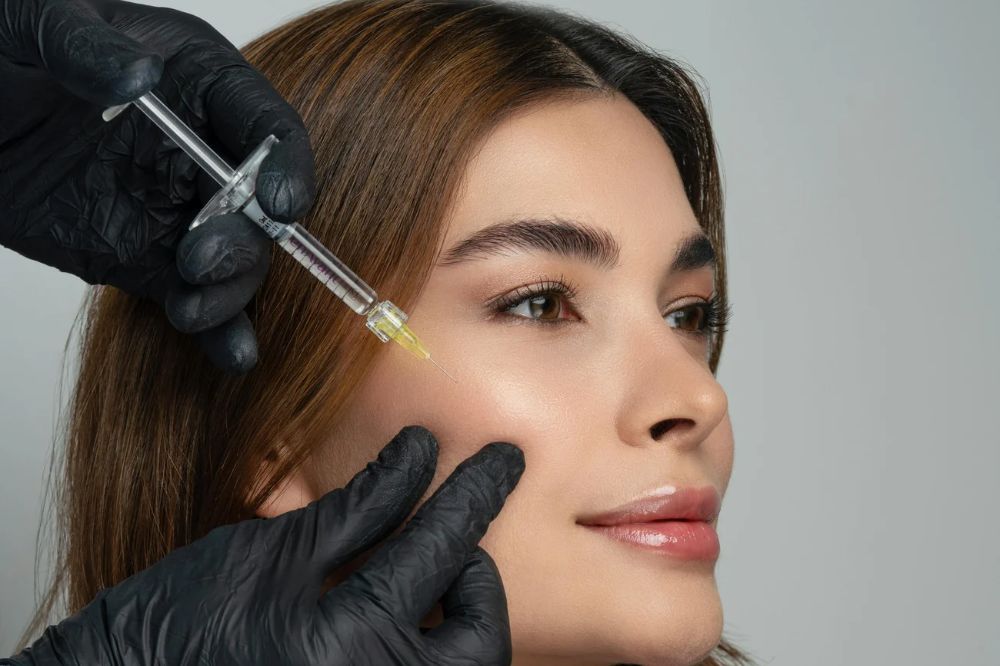
Botox contains a purified form of botulinum toxin type A. When injected into specific muscles, it temporarily reduces the nerve signals that tell those muscles to contract. This can soften frown lines caused by expressions. The reduced muscle activity may also make the treated area feel less tense for some individuals. However, Botox is approved for improving the appearance of certain facial lines, not as a general treatment for unexplained facial pain. If you are looking for Botox near you, remember that the injection sites and the amount used depend on your facial anatomy and goals. Results appear gradually and typically last about three to four months.
Can Botox Help Reduce Teeth Clenching and Jaw Tension?
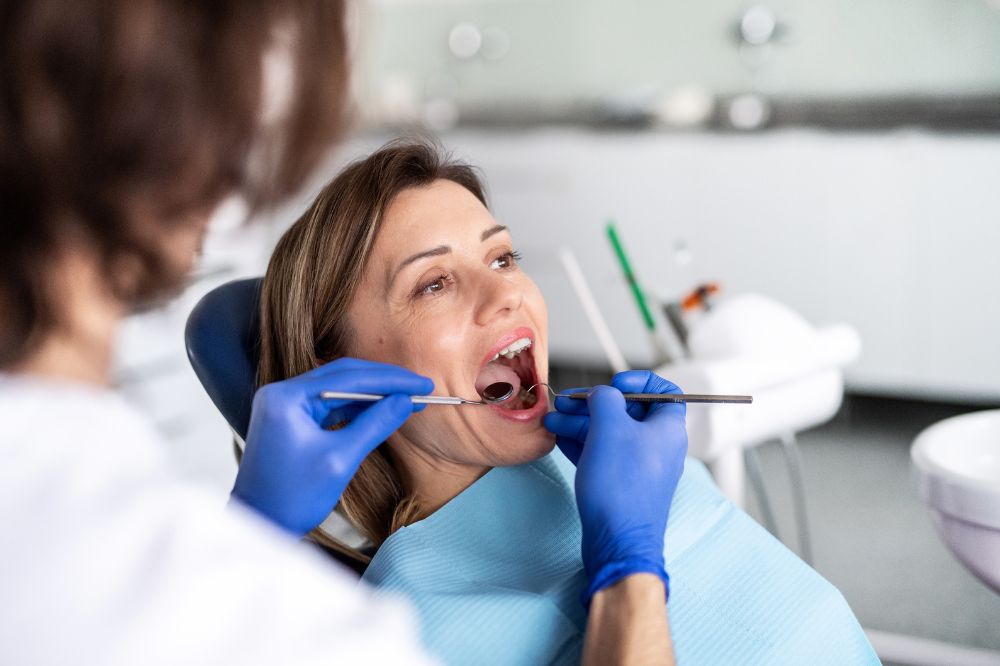
Teeth clenching involves the chewing muscles, particularly the masseter muscles along the sides of your jaw. These are different from the muscles responsible for frowning. In some cases, botulinum toxin injections may lessen jaw muscle activity. Although research on their usefulness for teeth grinding and jaw pain is mixed, not everyone can receive the treatment. The first treatment options include dental assessment and conservative approaches, such as clenching habit management and an appropriate night guard. A dental clinic in Walnut Grove can assess possible signs of clenching, including tooth wear, jaw soreness, and muscle tenderness. If your discomfort mainly affects your forehead, a medical assessment may be more appropriate.
Who Should Avoid Botox Injections for Cosmetic Purposes?
Botox requires a review of your medical history before treatment. It should not be used by someone with an allergy to its ingredients or an infection at a planned injection site. Cosmetic injections are generally postponed during pregnancy or breastfeeding because safety information is limited. Tell your provider about medications, especially muscle relaxants or certain antibiotics, and any history of swallowing or breathing difficulties. The side effects may include tenderness, bruising, headache, and temporary lid droop. More serious complications can occur on occasion. A qualified professional can explain these risks and assess suitability.
Understanding Your Options for Facial Tension
Botox may reduce the activity of some muscles that cause frown lines, but it’s not the only cause of a tight feeling. Don’t ignore persistent pain, new headaches, or other vision changes. Noting when tightness occurs and whether your jaw also feels sore can help during a consultation.
Discuss Botox With JVR Dental
If frequent frowning or jaw tension has raised questions about Botox, a professional assessment is a sensible starting point. At JVR Dental, we discuss your concerns, review your medical history, and explain whether Botox may be appropriate for your needs. Contact our Walnut Grove team to arrange a consultation.
FAQs
Will Botox stop me from making facial expressions?
Botox temporarily weakens selected muscles, but the effect depends on where and how it is administered. Discuss your preference for natural-looking movement with the treating professional before injections.
How quickly does Botox begin to work?
You may notice changes within several days, although the full cosmetic effect can take longer. Response varies between individuals, so your provider can explain when to assess the results.
Does Botox treat stress-related headaches?
Not every headache is caused by facial muscle activity. Botox used for cosmetic frown lines should not be assumed to treat headaches. Ongoing or unusual headaches deserve medical evaluation.
Can facial tension return after Botox wears off?
Yes. Botox’s effects are temporary, and the injected muscle slowly regains activity. If the tension returns, reassess the cause rather than assuming more injections are the answer.